



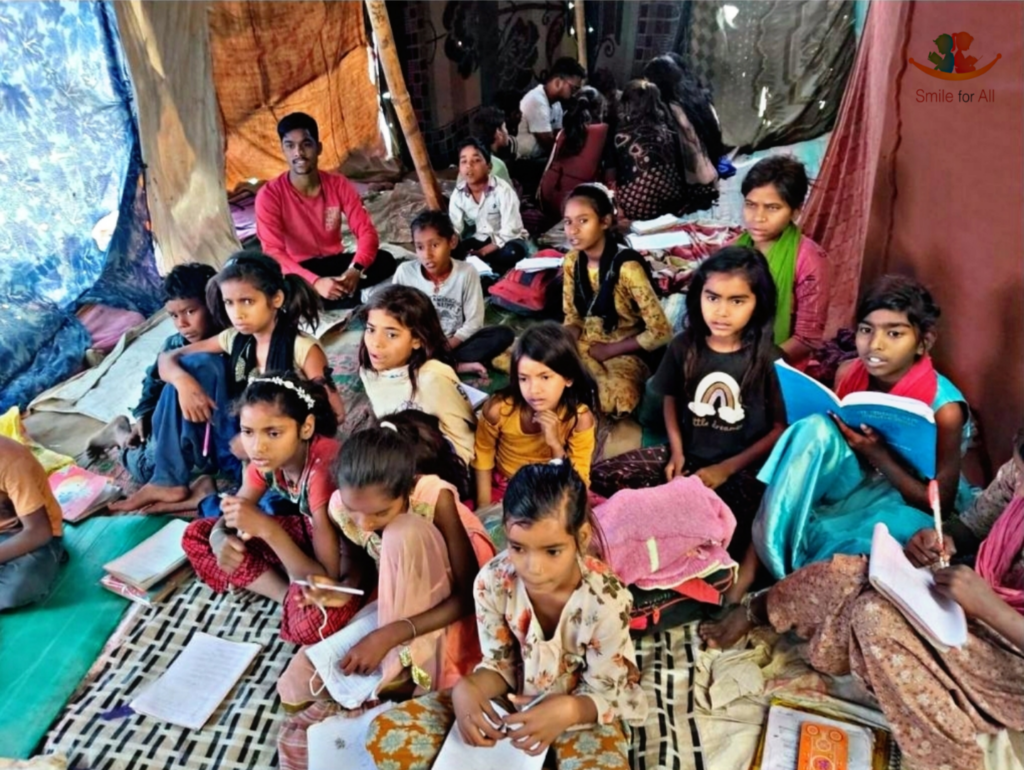
The National Education Policy (NEP) 2020 has been a game-changer for India’s education system, aiming to create a more holistic, flexible, and multidisciplinary approach to learning. Introduced in July 2020, this policy has brought about significant changes, focusing on accessibility, equity, and quality education for all. The policy’s vision is to transform India into a knowledge superpower, with a strong foundation in education.
Key Highlights of NEP 2020
– New Curriculum Structure: The policy introduces a 5+3+3+4 structure, replacing the traditional 10+2 format, catering to students from ages 3 to 18.
– Multidisciplinary Approach: Students can now choose subjects across streams, fostering critical thinking and problem-solving skills.
– Vocational Training: Integration of vocational education from Grade 6, equipping students with practical skills and job readiness.
– Technology Integration: Emphasis on digital literacy, online learning resources, and technology-based assessments.
– Inclusive Education: Focus on equitable access, especially for marginalized communities, girls, and differently-abled students.
Impact on India’s Education System
NEP 2020 has led to several positive changes, including:
– Increased Focus on Early Childhood Education: Prioritizing foundational literacy and numeracy for children aged 3-8 years.
– Reduced Exam Pressure: Shift from high-stakes exams to continuous assessments, promoting holistic evaluation.
– Teacher Training: Emphasis on continuous professional development for educators.
– Regional Language Priority: Encouraging mother tongue instruction till Grade 5, promoting multilingualism.
Benefits of NEP 2020
– Holistic Development: Focus on cognitive, affective, and psychomotor skills, ensuring well-rounded development.
– Flexibility and Choice: Students can choose subjects and courses, aligning with their interests and aptitudes.
– Increased Employability: Vocational training and skill development, enhancing job readiness.
– Inclusive and Equitable: Prioritizing marginalized communities, girls, and differently-abled students.
Challenges and Future Directions
While NEP 2020 has brought significant reforms, implementation remains a challenge. Infrastructure limitations, bureaucratic hurdles, and capacity-building efforts are crucial to realizing the policy’s vision. Key areas of focus include:
– Infrastructure Development: Upgrading schools, colleges, and universities to support new curriculum and technology integration.
– Teacher Capacity Building: Providing continuous training and resources for educators.
– Monitoring and Evaluation: Establishing robust systems to track progress and address challenges.
Implementation Strategies
To ensure successful implementation, the government and stakeholders must:
– Collaborate and Coordinate: Work together to address challenges and share best practices.
– Provide Resources and Support: Allocate necessary funds, infrastructure, and technology.
– Monitor Progress: Regularly assess and evaluate implementation, making adjustments as needed.
Conclusion
NEP 2020 has the potential to transform India’s education system, making it more inclusive, flexible, and quality-driven. Addressing challenges and implementing the policy effectively will be crucial to realizing its vision. By working together, we can create a brighter future for India’s students and the nation.
Recommendations for Future
– Regular Policy Reviews: Periodic assessments to address emerging challenges and opportunities.
– Increased Stakeholder Engagement: Encourage participation from educators, parents, and industry experts.
– Emphasis on Research and Development: Foster innovation and R&D in education.
By prioritizing education and implementing NEP 2020 effectively, India can become a global leader in education and drive socio-economic growth.
#NEP2020#NationalEducationPolicy#IndiaEducation#EducationReform#HolisticEducation
Leave a Reply